What is Diffractive Film and How Can It Benefit Your Business?
In the competitive world of business, innovation is key. One such innovation is Diffractive Film. This unique material has the ability to manipulate light in fascinating ways. Businesses can use Diffractive Film to enhance their products and packaging. It adds a layer of visual appeal that attracts customers.
The potential applications for Diffractive Film are vast. For instance, it can be used in marketing materials to create eye-catching effects. Its use in product packaging can elevate a brand’s image and differentiate it from competitors. The mesmerizing patterns and colors can even improve customer engagement. However, some may wonder about its practicality in everyday use.
It is essential to consider the costs and benefits of incorporating Diffractive Film. While the initial investment may seem high, the long-term advantages often outweigh the expenses. A deeper understanding of this innovative film will empower businesses to make informed decisions. Exploring its potential could lead to surprising insights. Ultimately, Diffractive Film can be a transformative tool in reaching and retaining customers.
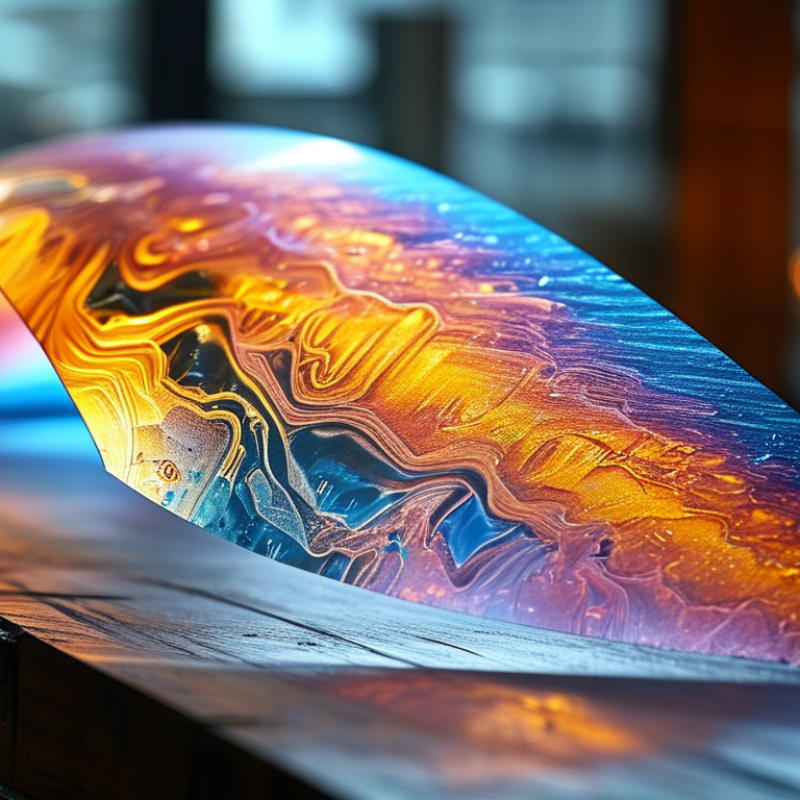
What is Diffractive Film and Its Basic Principles
Diffractive film, a unique optical material, can significantly influence visual experiences. It employs the principles of light diffraction to manipulate how light behaves. This film can create vivid colors, enhance brightness, or produce 3D effects. It operates by bending and spreading light as it passes through its micro-patterned surface. This characteristic can generate eye-catching displays for various applications.
When considering diffractive film for your business, it’s essential to understand its limitations. While it offers fantastic visual effects, not all designs may achieve desired outcomes. Environmental factors like lighting conditions can impact performance. Testing different applications can lead to better results and help refine the usage of the film.
Practical implementation is key. Start by experimenting in smaller projects to grasp potential outcomes. Monitor how the diffractive film collaborates with other materials. Be open to feedback. You may need to adjust your approach based on how consumers engage with your displays. Adapting to these insights can enhance both product design and user experience.
Diffractive Film Market Analysis
The Science Behind Diffractive Film Technology
Diffractive film technology utilizes microstructures to manipulate light. This creates vivid visuals and unique effects that capture attention. The science behind this is intricate. Light intersects with these structures, refracting and dispersing in remarkable ways. This process can enhance advertising, product packaging, and decorative elements.
Understanding the principles of diffractive film is essential for businesses. It requires expertise in optics and materials. When implemented correctly, this technology can elevate a brand's visuals. However, not all applications yield the desired effect. Companies must carefully consider their specific needs and aesthetic goals. Testing different designs and effects is crucial.
While the technology is powerful, it also has limitations. Not every product or brand will benefit equally from diffractive film. It can increase costs and pose challenges in manufacturing. Therefore, businesses should weigh the benefits against potential drawbacks. Adjustments and refinements may be needed to achieve optimal results.
Applications of Diffractive Film in Various Industries
Diffractive film has emerged as a versatile tool across various industries. Its unique ability to manipulate light creates stunning visual effects and enhances product presentation. For example, the global diffractive optical element market is expected to reach USD 3.3 billion by 2026, growing at a CAGR of 7.4%. This growth reflects its increasing adoption in sectors like automotive, advertising, and consumer electronics.
In marketing and advertising, diffractive films captivate consumers by creating eye-catching displays. Retailers use these films for packaging and signage to draw attention. According to a recent study, products with innovative packaging can see up to a 30% increase in sales. In the automotive industry, diffractive films are used in instrument clusters, providing clear displays while enhancing the aesthetic appeal of vehicle interiors.
Despite its advantages, companies must consider factors such as production cost and technology compatibility. Some manufacturers may face challenges integrating diffractive film with existing processes. It's essential to evaluate the benefits against potential hurdles. Nevertheless, the promise of improved visibility and consumer engagement makes diffractive film a worthwhile investment for many businesses.
Advantages of Using Diffractive Film for Business Enhancement
Diffractive film is an innovative material that has the potential to transform business interactions. This film utilizes micro-structured surfaces to manipulate light. As a result, it can create stunning visual effects. Businesses can enhance their marketing strategies through vibrant packaging and eye-catching displays. The unique optics of diffractive film can make products stand out in a crowded market.
Utilizing diffractive film offers several advantages. Its ability to produce 3D visuals captures consumer attention instantly. This can lead to increased engagement and brand recall. Additionally, diffractive film is lightweight and versatile, which makes it easy to incorporate into various applications. Companies can use it for labels, promotional materials, or point-of-sale displays. The reflective qualities also add a premium feel to products, appealing to target demographics.
However, integrating diffractive film isn't without challenges. Some businesses may struggle with production costs and sourcing materials. There can be a learning curve in terms of design and application. Companies should weigh these factors carefully. Despite the challenges, the benefits of reduced competition and enhanced product visibility can be significant. Businesses willing to invest in diffractive film will likely see a return in brand loyalty and sales growth.
Future Trends and Innovations in Diffractive Film Solutions
Diffractive film is gaining traction in various industries due to its unique optical properties. As businesses seek innovative ways to enhance their product packaging and marketing strategies, diffractive film offers compelling solutions. The material can create eye-catching visual effects that attract customers. Light refraction creates vivid colors and engaging holographic imagery. This can significantly improve brand recognition and product appeal.
Emerging trends indicate a shift towards sustainable diffractive film solutions. Many companies are exploring biodegradable alternatives. This aligns with the growing consumer demand for environmentally friendly products. By adopting these innovations, businesses not only meet market expectations but also enhance their corporate responsibility image.
However, challenges remain in the widespread adoption of diffractive films. Costs associated with production and material sourcing can be high. Not all businesses may find it feasible to invest in such technology. It's essential to weigh potential benefits against these constraints. Companies must evaluate their specific needs before implementing diffractive film into their production lines.
What is Diffractive Film and How Can It Benefit Your Business?
| Application | Industry | Benefits | Trends |
| Packaging Design | Consumer Goods | Enhanced shelf appeal, Brand differentiation | Sustainable materials, Enhanced graphics |
| Advertising Displays | Marketing | Attention-grabbing visuals, Improved engagement | Interactive displays, Augmented reality |
| Optical Devices | Electronics | Improved light direction, Enhanced image quality | Smart devices integration, Miniaturization |
| Security Features | Finance and Security | Tamper-evidence, Authentication | Advanced holographics, Anti-counterfeiting |
| Personalized Products | Retail/Fashion | Unique designs, Customer engagement | Customization technologies, Direct-to-consumer |


' d='M0 0h21v15H0z'/%3E%3Cpath fill='url(%23b)' d='M0 0h21v5H0z'/%3E%3Cpath fill='url(%23c)' d='M0 5h21v5H0z'/%3E%3Cpath fill='url(%23d)' d='M0 10h21v5H0z'/%3E%3C/g%3E%3C/svg%3E)