What Is the Best Race Bike to Buy in 2026?
The best Race Bike to buy in 2026 will not be the one with the loudest launch campaign. It will be the bike that fits your body, suits your events, and feels composed when the road turns rough. Greg LeMond, a former professional racer, offered a useful reminder: “It never gets easier, you just go faster.” Speed matters. But comfort, handling, and confidence help riders use it.
This guide compares the details that shape real performance: frame geometry, aerodynamic design, tire clearance, gearing, braking, and service access. A narrow handlebar or deep wheel may look fast, yet the wrong fit can make long efforts miserable. Check manufacturer specifications, independent test methods, and local dealer support before trusting a headline weight or wind-tunnel claim. Prices and component availability may change by market, too.
There is no perfect choice. Not even close. A rider targeting fast group rides may value sharp handling, while an endurance racer may need stable control and room for wider tires. And yes, a lighter frame can feel compelling in a showroom. That does not make it the better purchase. The comparisons ahead will explain which compromises matter, what evidence to look for, and how to choose a 2026 Race Bike that suits your riding rather than someone else’s podium photo.
What Defines a Race Bike in 2026?
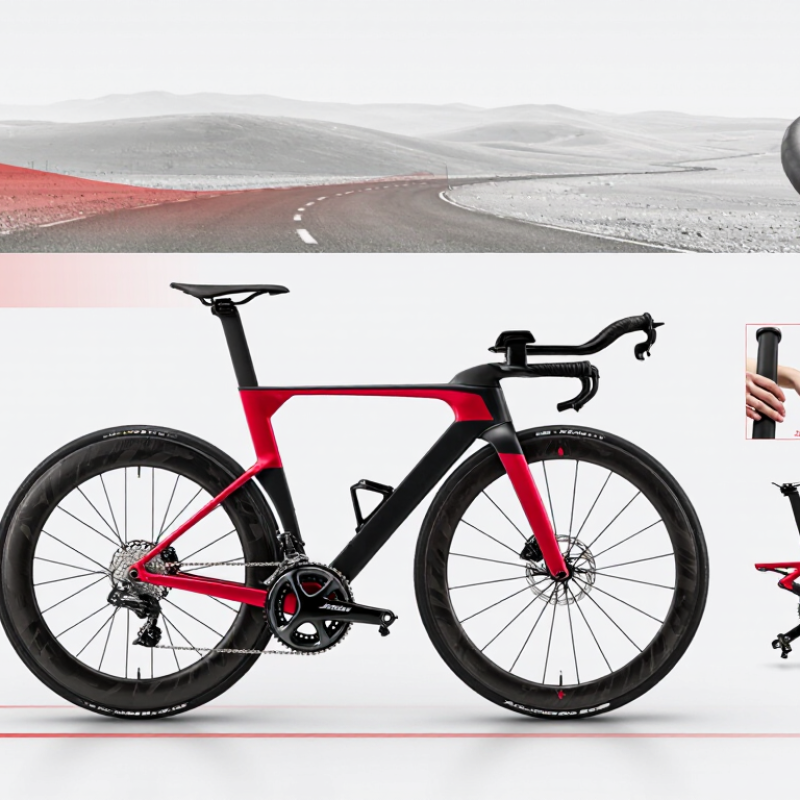
A race bike in 2026 is not simply the lightest frame in a shop. It is a road bike built to turn rider power into speed, while staying stable under hard braking and quick cornering. The UCI’s road equipment regulations set a 6.8-kilogram minimum for bikes used in sanctioned competition. That is a rule, not a target for every rider. On flat roads, aerodynamic drag can account for roughly 90 percent of resistance near 50 km/h, according to cycling-aerodynamics research by Blocken and colleagues. So, deep wheels and a low front end can matter. But only if the rider can hold that position.
Fit still rules. A useful race bike lets you reach the bars without locking your shoulders, and keeps the front wheel predictable on a fast descent. Look for responsive shifting, dependable disc brakes, and tire clearance suited to the roads you actually ride. Wider tires can add comfort and grip; they may also alter the bike’s feel. Trade-offs are real. A very aggressive frame can look fast on paper, yet feel tiring after an hour. I would not treat a single weight or wind-tunnel number as a verdict. Test the bike on rough pavement, climb seated, then brake hard on a safe stretch. The right choice is the one you can control when tired.
How to Match a Race Bike to Your Riding Goals
What Is the Best Race Bike to Buy in 2026?
Match the bike to the riding you actually do, not an imagined season of perfect race days. For steep, sustained climbs, a lighter build may feel lively, but fit and gearing still matter more than a few grams. For fast group rides or short races, responsive handling and stable cornering can be useful. If your events last several hours, a less aggressive position may help you stay comfortable and keep power steady. Fit comes first.
Check the frame’s reach and stack against your body and flexibility. A qualified bike fitter can help, though a careful test ride also reveals useful clues: hand pressure, neck tension, and whether you can hold your position. I once focused too much on quick acceleration and overlooked comfort; after an hour, that choice felt less clever. Compare tire clearance, gearing, and adjustment range, too. These details affect real rides, not just the spec sheet.
Tips: Test ride on familiar roads, including a rough patch and a short climb. Bring your usual shoes and note discomfort afterward. A race bike should feel eager, not punishing.
Which Frame and Fit Features Matter Most?
What Is the Best Race Bike to Buy in 2026?
Which Frame and Fit Features Matter Most?
A race bike should fit your body before it impresses you on a spec sheet. Prioritize frame stack and reach: these dimensions help show whether the handlebar position can work without extreme spacers or a very short stem. Check saddle adjustment range, too. A frame that leaves the saddle near its limit may complicate future fit changes. The UCI’s 2025 Road Race Regulations set a 6.8 kg minimum mass for compliant road-race bicycles. That benchmark is useful context, but it says nothing about whether a frame suits your proportions. Fit comes first.
Pay attention to the cockpit and front end. Handlebar width should let your shoulders stay relaxed, while lever reach must allow secure braking from the drops. A low, narrow position may feel quick during a short test ride, then strain your neck after an hour. That matters. Tire clearance also affects comfort and road grip; confirm the frame’s stated maximum tire size rather than guessing from appearance. A professional bike fit can identify adjustments, though even a careful fit is not a guarantee of comfort on every ride.
Tips: Test the bike on familiar roads if possible. Note hand pressure, knee tracking, and whether you can hold the drops comfortably. Bring those observations to a qualified fitter. I’d resist buying solely for a lighter frame; that trade-off can be hard to judge before longer rides.
How to Compare Groupsets, Wheels, and Aerodynamics
For a 2026 race bike, compare groupsets by usable gear range, shift consistency, service access, and replacement cost—not just the number of gears. Test shifts on a short climb and under steady pedaling. A smooth shift is useful; an expensive system is not automatically faster. Fit and reliable maintenance often matter more than a marginal feature.
Wheels deserve a test ride in real wind. Blocken and colleagues’ 2018 review in Sports Engineering reports that aerodynamic drag can account for roughly 70–90% of resistance in fast cycling. Deeper rims may help on flat roads, but crosswinds can make steering feel unsettled. The lightest set is not always the quickest choice. Check tire clearance and braking performance, too.
Aerodynamics also depends on the rider’s position, not only the frame shape. Martin et al.’s validated road-cycling power model, published in the Journal of Applied Biomechanics in 1998, shows why speed, frontal area, and drag matter when estimating required power. Compare bikes with the same tires and a similar fit, then assess comfort over a longer ride. Small details count. I would still avoid treating wind-tunnel numbers as a promise: road conditions, clothing, and fatigue can change the result.
How to Balance Price, Performance, and Long-Term Value
What Is the Best Race Bike to Buy in 2026?
How to Balance Price, Performance, and Long-Term Value
The best race bike is not automatically the lightest or most expensive. It should fit your body, your routes, and the amount you can spend on upkeep. PeopleForBikes’ 2024 U.S. Bicycling Participation Report estimated that 112 million Americans rode in 2023. That broad participation figure is a useful reminder: a bike’s value depends on real riding, not just race-day specifications. Circana’s U.S. retail tracking also documented a market cooling after pandemic-era sales peaks. Avoid paying extra for features you may rarely use.
Tips: Test the fit before comparing components. Leave room in your budget for pedals, tires, basic tools, and a professional fit if needed.
For long-term value, compare the complete build, not the frame price alone. Check whether replacement tires, brake pads, and drivetrain parts are readily available locally. A slightly heavier bike with common parts may cost less to keep running than a highly specialized build. Resale prices are hard to predict, and clean condition does not guarantee a strong offer. I would not treat resale value as a promise; it is only one uncertain part of the calculation. Choose gearing that suits your steepest regular climb, then take a test ride on rough pavement. A quiet chain and steady braking matter more than a small weight saving you barely notice.


' d='M0 0h21v15H0z'/%3E%3Cpath fill='url(%23b)' d='M0 0h21v5H0z'/%3E%3Cpath fill='url(%23c)' d='M0 5h21v5H0z'/%3E%3Cpath fill='url(%23d)' d='M0 10h21v5H0z'/%3E%3C/g%3E%3C/svg%3E)