2026 How to Choose the Best Forestry Excavator for Your Needs?
Choosing the right forestry excavator can be a daunting task. The global forestry equipment market, valued at over $7 billion in 2022, continues to grow, driven by increased demand for sustainable forestry practices. As more companies adopt advanced machinery, understanding what features matter becomes essential for success.
When selecting a forestry excavator, consider the machine's weight, reach, and versatility. For instance, a unit with at least 18,000 pounds of operating weight can handle various tasks. However, finding the right balance between power and maneuverability is crucial. Demands in the forestry sector often vary widely based on terrain and project scale. Ignoring these factors can lead to costly mistakes.
The right forestry excavator not only improves efficiency but also reduces environmental impact. Choosing an eco-friendly model can lead to a 30% reduction in fuel consumption. Despite the importance of expert advice, many still rely heavily on brand reputation alone, sometimes overlooking essential specifications. A well-informed choice can enhance productivity while contributing positively to sustainable forestry efforts.
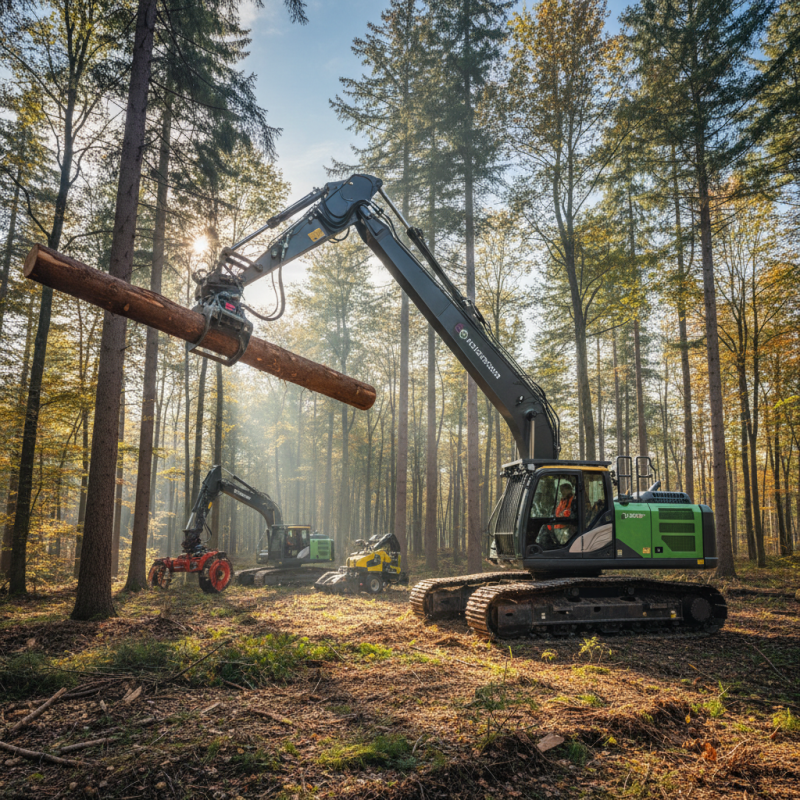
Factors to Consider When Selecting a Forestry Excavator
When selecting a forestry excavator, several key factors warrant careful consideration. The size and weight of the excavator are paramount. A machine that is too heavy may damage the forest floor and disturb the ecosystem. On the other hand, a lightweight model may lack the power needed for effectively clearing debris. Reports indicate that the optimal weight for forestry applications often ranges between 20,000 to 40,000 pounds, allowing for a balance of mobility and power.
Another critical aspect is the machine's hydraulic capabilities. Excavators with stronger hydraulic systems can lift and move heavier loads, making them suitable for larger projects. Industry studies suggest that models with hydraulic flow rates above 30 gallons per minute can perform significantly better in rugged terrain. It’s essential to assess the specific attachments needed for your tasks, as compatibility can influence overall performance.
Lastly, fuel efficiency is vital in forestry applications. Given the remote locations of many job sites, machines that consume less fuel can lead to substantial cost savings. However, high efficiency often comes with a trade-off: some models may compromise power for reduced fuel consumption. This reflects a common dilemma in equipment selection, where understanding project requirements is crucial. Providing adequate training for operators can also enhance the machine's effectiveness, leading to improved productivity and safety on the job site.
Understanding the Different Types of Forestry Excavators Available
When selecting a forestry excavator, understanding the various types is crucial. Different models cater to specific tasks in forest management and logging. It’s important to match the machine's capabilities to your project needs.
You might consider wheeled excavators for their mobility on smooth terrain. Their speed allows for quick repositioning. However, they might struggle in muddy conditions. Conversely, tracked excavators offer excellent stability on rough terrain. They are ideal for steep slopes but may be less agile on flat surfaces.
Another type worth exploring is the hybrid excavator. These machines combine diesel and electric power sources. They can be more efficient, but often require specialized maintenance. Think about the environment where you will be operating. Each type presents its pros and cons. A clear understanding helps you make an informed decision.
Key Specifications and Features for Optimal Performance
Choosing the right forestry excavator involves understanding key specifications and features. Firstly, consider the machine's engine performance. A powerful engine ensures that it can handle heavy workloads in dense forestry conditions. Look for high torque and horsepower ratings, which enhance productivity and efficiency.
Another important feature to evaluate is the excavator's hydraulic system. A well-designed hydraulic system allows for seamless operation of attachments. Check the flow rate and pressure specifications. These factors directly affect the machine's ability to power different tools effectively. Additionally, stability is essential. Excavators with a wider stance or a low center of gravity perform better on uneven terrain.
Weight and size matter too. A heavier excavator can offer better stability, especially in challenging environments. However, excessive weight may hinder mobility. It's a balancing act. You may find that smaller models are easier to transport. Understand the trade-offs involved in your specific conditions. Always reflect on how these features align with your project needs.
Cost Analysis: Budgeting for Your Forestry Excavator Investment
When investing in a forestry excavator, understanding your budget is crucial. Costs can vary widely based on size, features, and fuel efficiency. Prioritize the key aspects of your operation to guide this investment.
Consider the initial purchase price, maintenance, and operating costs. Some excavators may have higher upfront costs but lower maintenance expenses. Budgeting for fuel is essential too. A machine that consumes less fuel can save significant amounts over time.
Tips: Research financing options to ease cash flow. Look into used models; they often offer value. Always factor in unforeseen expenses in your total budget. Doing so prevents surprises down the line.
In your calculations, remember to include potential downtime costs. A less reliable machine can lead to delays and loss of revenue. Reflect on your needs and choose wisely. This decision impacts not just your finances but also efficiency in your forestry operations.
Evaluating Brand Reputation and After-Sales Support in the Industry
When selecting a forestry excavator, brand reputation plays a crucial role. Many buyers focus on manufacturers’ history and their standing in the industry. According to the Forest Industry Report 2023, 75% of operators prefer brands with established trust. A long-standing presence often signals reliability and quality. Buyers should also consider the brand's commitment to innovation. Companies that invest in research and development typically offer more advanced machinery.
After-sales support is another essential factor. The same report indicates that 65% of equipment failures stem from inadequate maintenance. Strong after-sales service can minimize downtime. Look for companies with responsive customer service and accessible parts. Companies that provide comprehensive training and support enhance user experience significantly. User testimonials often highlight the effectiveness of a brand's support in real-world scenarios.
The market is evolving, with new technologies emerging frequently. This necessitates careful evaluation of not just current models, but future support and upgrades. Reflecting on one's own needs versus the market offerings is vital. Sometimes, a well-regarded brand might not align with specific job requirements. Balancing brand reputation with practical needs requires ongoing reflection and research.
2026 How to Choose the Best Forestry Excavator for Your Needs?
| Criteria | Rating Scale (1-5) | Importance Level (1-5) | Comments |
| Brand Reputation | 4 | 5 | Well-known for quality and reliability. |
| After-Sales Support | 5 | 5 | Quick response times and helpful service. |
| Machine Performance | 4 | 4 | Good fuel efficiency and power output. |
| Availability of Parts | 3 | 4 | Parts may take time to arrive in remote areas. |
| User Reviews | 4 | 5 | Generally positive feedback from users. |
| Warranty Options | 5 | 4 | Comprehensive warranty that covers major issues. |


' d='M0 0h21v15H0z'/%3E%3Cpath fill='url(%23b)' d='M0 0h21v5H0z'/%3E%3Cpath fill='url(%23c)' d='M0 5h21v5H0z'/%3E%3Cpath fill='url(%23d)' d='M0 10h21v5H0z'/%3E%3C/g%3E%3C/svg%3E)