How to Choose the Best Dust Proof Mask
Choosing a Dust Proof Mask is less about picking the thickest material and more about matching protection to the dust, task, and wearer. Fine particles from sanding, sweeping, or cutting can behave differently, so start by identifying what is in the air and how long exposure may last. A mask that looks sturdy on a shelf may still leak around the nose or cheeks. Fit matters most.
Check the product’s stated purpose, filter type, and applicable testing or certification details rather than relying on vague “dust-proof” claims. For workplace hazards, follow the site’s respiratory-protection procedures and seek guidance from a qualified safety professional; a general-purpose mask may not protect against every airborne substance. Try the mask with the same eyewear or helmet you will use on the job. A small gap can matter. Facial hair can also interfere with a tight seal.
Comfort deserves attention, too. A warm workshop, damp straps, or a stiff nose bridge can make a good mask difficult to wear consistently. Look for a secure fit, clear instructions, and replaceable filters when the design requires them. Clean and store reusable models as their maker directs, and replace damaged or clogged parts. It is easy to overfocus on ratings and forget daily use. I would not call any mask perfect; fit, maintenance, and the actual dust all shape its performance. When conditions are uncertain, pause and get a proper assessment before relying on a mask.
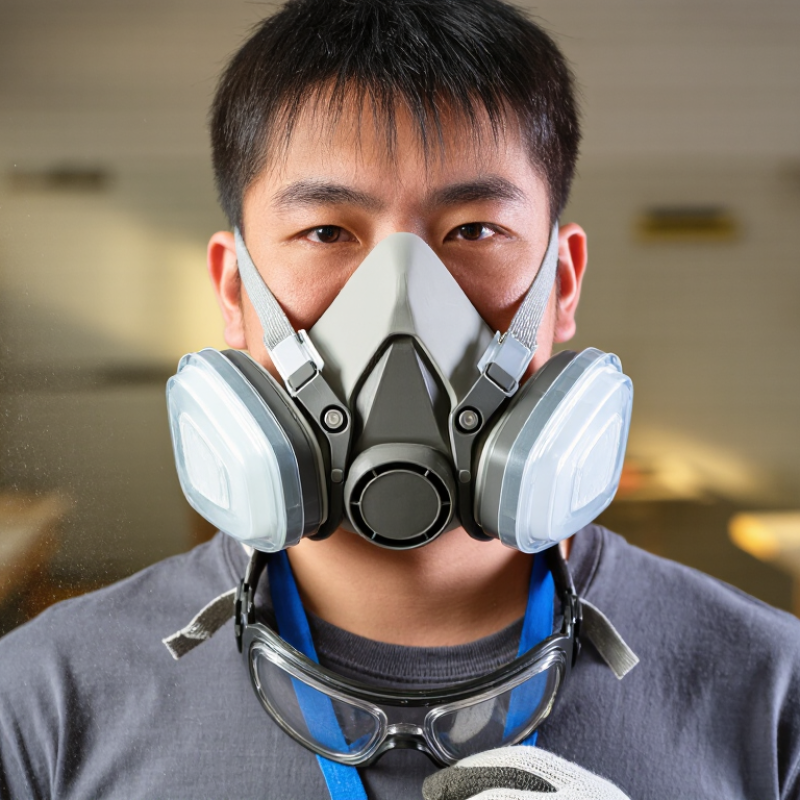
Identify the Dust Hazards and Level of Protection Needed
Dust can look harmless. Fine particles from sanding, cutting, sweeping, or handling powders may stay airborne after work stops. Identify the material and task before choosing a mask. Check product safety information or ask a qualified safety professional when the dust is unfamiliar. A cloud’s appearance cannot reliably show its hazard or concentration.
Match the respirator to the specific dust and expected exposure. Some particles require a higher level of filtration and a properly fitted respirator; ordinary nuisance-dust coverings may not provide adequate protection. Follow the respirator’s markings and instructions, and consider workplace exposure measurements where available. Dust masks do not protect against gases or vapors. Fit matters. A poor seal, facial hair at the seal, or a damaged strap can let particles bypass the filter. Comfort also matters, since a mask that is repeatedly removed offers little practical protection. I would not choose by price or appearance alone.
Tips: Note the task, material, and time spent in dusty air. Check for a tight seal each time you put the respirator on. Replace it if it becomes wet, damaged, hard to breathe through, or visibly dirty. If the hazard is uncertain, pause and get qualified guidance rather than guessing.
Compare Mask Types and Filtration Ratings
Choosing a dust mask starts with the kind of work and how often you do it. Disposable filtering facepieces are light and practical for short tasks, such as sanding a small wooden shelf. Reusable half-mask respirators accept replaceable particulate filters and may be more comfortable for repeated dusty work. Loose cloth coverings are not a dependable substitute for a properly rated respirator. Fit matters most.
Filtration ratings help compare performance, but they describe tests, not a guaranteed result on your face. A NIOSH-approved N95 filters at least 95% of certain airborne particles under specified test conditions. FFP2 masks follow a different standard, so their ratings should not be treated as exact equivalents. Higher-rated filters can offer greater particle filtration, but gaps around the nose or cheeks let contaminated air bypass them. Dust is stubborn.
Think about particle size and exposure, too. Fine dust from cutting concrete or sanding can pose different risks from visible household dust. A particulate filter does not protect against gases or vapors. I can see why the largest number looks reassuring, but choosing by rating alone is incomplete. Check the mask’s instructions, confirm that the model fits your face, and replace filters as directed.
For hazardous or repeated workplace exposure, get advice from a qualified safety professional.
Assess Fit, Seal, and Wearing Comfort
How to Choose the Best Dust Proof Mask
A good dust mask should sit securely without forcing you to keep adjusting it. Check that its size and shape suit your face, then position the nose piece and straps as directed. The mask should cover your nose and chin without slipping when you speak or turn your head. Small details matter. Facial hair where the mask seals can leave gaps, even when the mask feels snug.
Check the seal each time you put it on, following the maker’s instructions. If air escapes around the edges, reposition the mask and check again. A workplace fit test may be needed for certain respirators and tasks. Dust varies, too: choose protection rated for the particles and conditions involved, rather than relying on the label “dust-proof” alone. No mask fits every face.
Comfort affects whether you can wear a mask consistently. Walk around and speak for a few minutes; notice pinching at the nose, strap pressure, or dampness building inside. Glasses fogging can signal a poor seal, though it may also reflect airflow or fit. That can be annoying. If breathing feels unusually difficult, or the mask is damaged, dirty, or hard to breathe through, leave the dusty area and follow its care or replacement instructions. I’ve found that a brief fit check is easy to skip when you’re in a hurry. It’s still worth doing.
Review Materials, Reusability, and Maintenance Requirements
A dust-proof mask should match the particle hazard, not just feel thick. NIOSH’s 42 CFR Part 84 classifies filters at 95%, 99%, or 99.97% efficiency under specified test conditions. These ratings describe filter performance, not protection on every face. A loose nose bridge can let dust bypass the filter. Fit matters more. Check the mask’s approval label and whether its material suits the work, such as fine sanding dust or larger particles from sweeping.
Reusable elastomeric masks can reduce disposable waste, but their seals, valves, and filters need regular attention. OSHA’s respirator standard, 29 CFR 1910.134, includes cleaning and inspection procedures for reusable respirators. After dusty work, inspect the face seal for cracks and check valves for debris. Clean the mask as its instructions specify, and replace filters when damaged, dirty, or due for replacement. A washable shell does not mean its filter is washable.
Many disposable filtering facepieces are intended for limited use; follow the product instructions rather than rinsing them. Moisture, skin oils, and crushed filter layers may affect performance. Not obvious at first. Keep masks dry and clean between uses, and discard one if it is torn, misshapen, or difficult to breathe through. Even careful maintenance cannot fix a poor fit, and that is easy to overlook.
Check Safety Standards Before Choosing a Mask
When choosing a dust mask, check the safety standard printed on the product and its packaging. The right marking depends on where you live and what kind of dust you may breathe. In the United States, NIOSH-approved N95 respirators are tested for filtering airborne particles. In Europe, EN 149 identifies filtering facepieces such as FFP2 and FFP3. These labels are not interchangeable, and a higher number alone does not guarantee the right protection for every task.
Read the approval details, not just large claims on the box. Check that the model and approval number match the relevant certification records, and confirm the mask is intended for particles rather than gases or vapors. Sanding wood, sweeping fine powder, and cutting concrete can create different exposures. For hazardous dust, such as respirable silica, follow workplace guidance and use a properly selected respirator. A basic disposable mask may not be enough.
Fit matters. A certified mask can still leak if its nose strip is loose or its edges lift when you speak. Place it over your nose and chin, adjust the straps, then check for air escaping around the seal. Facial hair can interfere with a tight fit. I used to focus too much on filter ratings; that was an easy mistake. A good label is only part of the decision.