What is a Pcb Board and Its Importance in Electronics?
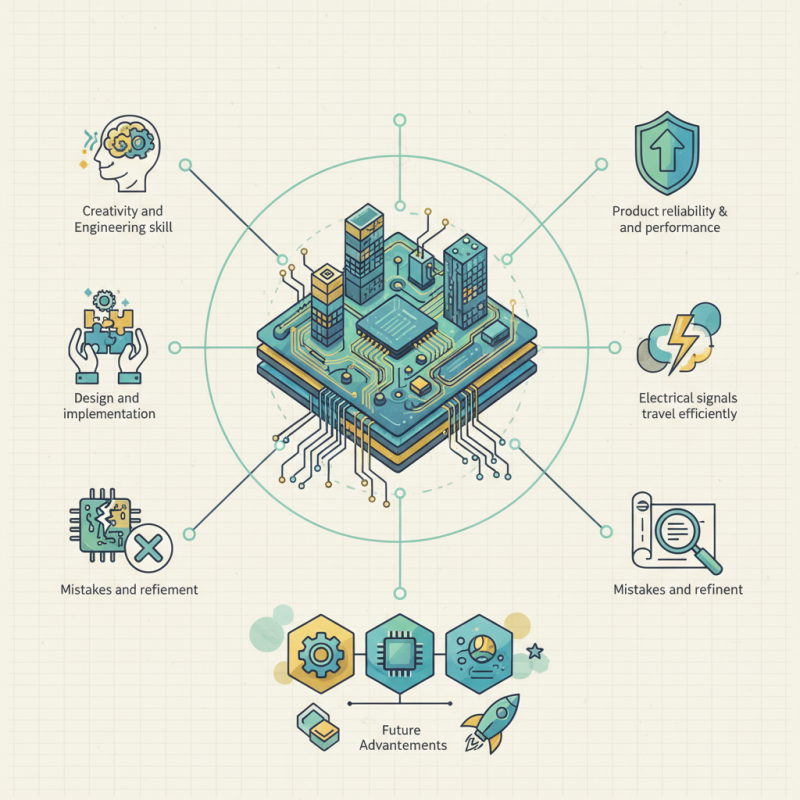
In the world of electronics, the Pcb Board is a fundamental component. It serves as the backbone of electronic devices, connecting various components and enabling them to function together. Understanding the significance of a Pcb Board requires recognizing its role in both design and implementation.
A well-designed Pcb Board can improve product reliability and performance. These boards ensure that electrical signals travel efficiently between components. They also influence the overall durability of the device. However, not all designs are perfect. Mistakes can lead to malfunctioning products. Engineers must continuously refine their designs to overcome these challenges.
The Pcb Board’s importance extends beyond its technical functions. It represents a blend of creativity and engineering skill. As technology evolves, the demand for innovative and efficient Pcb Boards grows. New materials and designs are constantly emerging, presenting opportunities and challenges for engineers. The future of electronics hinges on the advancements made in Pcb Board technology.
What is a PCB Board?
A PCB board, or printed circuit board, is a critical component in the electronics industry. It serves as a foundation for mounting electronic components. PCBs are made from insulating substrates, usually fiberglass, with conductive pathways etched into their surface. These pathways connect different electronic parts, allowing them to communicate efficiently. According to a 2022 report by IPC, the global PCB market reached $70 billion, reflecting its growing significance.
The design and manufacture of PCBs have seen remarkable advancements. Technologies such as multi-layering and surface-mount technology enhance their capabilities. In high-frequency applications, the precision of PCB design can significantly affect overall performance. A report from Research and Markets noted that the demand for flexible PCBs is expected to grow by 12% annually. This indicates a shift towards more adaptable and versatile designs in modern electronics.
However, challenges remain in PCB production. As demands for miniaturization and complexity increase, manufacturers struggle to maintain quality. Issues like heat dissipation and signal integrity are common. These factors can impact the reliability of electronic devices. Engineers must continually adapt and refine production techniques to meet new standards and expectations in the fast-paced technology landscape.
What is a PCB Board and Its Importance in Electronics?
| Feature | Description | Importance |
| Material | Typically made from fiberglass, epoxy, or polyimide. | Provides structural support and electrical insulation. |
| Layers | Can be single-sided, double-sided, or multi-layer. | Allows for complex circuitry in compact spaces. |
| Design | Utilizes CAD software for precision layout. | Ensures optimal performance and reliability of electronics. |
| Applications | Used in various devices: phones, computers, appliances. | Integral to almost every electronic product. |
| Manufacturing | Involves processes like etching, drilling, and plating. | Crucial for the production efficiency and cost-effectiveness. |
The Structure and Components of a PCB Board
A printed circuit board (PCB) is essential in modern electronics. At its core, the PCB consists of a flat sheet made of insulating material. This sheet is layered with conductive pathways, typically copper, that connect various electronic components. These pathways allow electricity to flow, making the device functional. The arrangement is meticulous, as even minor errors can lead to circuit failures.
The components on a PCB vary widely. They can include resistors, capacitors, and microcontrollers. Each part serves a specific purpose and must be precisely placed. The design must ensure that components do not interfere with each other. This complexity requires skilled engineers to create and test designs rigorously. While software tools assist in layout, human intuition and experience remain crucial.
Creating a PCB involves challenges. Spacing is critical. Overcrowded designs can result in short circuits. Additionally, thermal management is vital. Without proper heat dissipation, components can fail unexpectedly. Continuous improvement is needed to enhance reliability. Each iteration of design brings valuable lessons. Even experienced professionals face setbacks that lead to revisions in their processes.
Key Functions of PCB Boards in Electronic Devices
Printed Circuit Boards (PCBs) are essential in electronic devices today. They serve multiple key functions that ensure the smooth operation of electronics. For instance, PCBs offer a platform for electrical connections, allowing components like resistors, capacitors, and chips to interconnect seamlessly. Data from the IPC (Institute for Printed Circuits) shows that nearly 90% of all electronic devices utilize PCBs, highlighting their critical role in the industry.
Additionally, PCBs facilitate efficient heat management. They can dissipate heat generated by components, preventing overheating and improving reliability. According to a report by the Electronics Components Industry Association (ECIA), effective thermal management reduces electronic device failures by up to 30%. This underscores the importance of high-quality PCB design and materials. Yet, many manufacturers struggle with balancing cost and performance, facing trade-offs that can impact product longevity.
Moreover, PCBs enable compact designs. They allow the integration of greater functionality within smaller spaces. This miniaturization is vital in today’s electronics market, where consumer demand for sleek devices is ever-increasing. However, not all designs optimize space effectively. Poor layout can result in signal interference, reducing the efficiency of the device. Thus, while PCBs are central to electronic innovation, achieving excellence in design remains a persistent challenge.
Importance of PCB Boards in Electronics
Printed Circuit Boards (PCBs) are essential in electronics, serving key functions that enhance the efficiency and reliability of electronic devices. The graph above illustrates their significance based on several dimensions: Cost Efficiency, Reliability, Space Saving, Customization, and Performance, with importance scores on a scale from 1 to 10.
The Manufacturing Process of PCB Boards
The manufacturing process of PCB boards is intricate yet vital in the electronics industry. Printed Circuit Boards (PCBs) serve as the backbone of electronic devices. In 2022, the global PCB market reached USD 75 billion, reflecting extensive demands in technology. The production begins with design and layout, utilizing sophisticated software to ensure precision.
Next, the manufacturing phase involves various steps, such as etching, drilling, and plating. Copper layers are laminated onto sheets to form circuitry. Notably, the potential flaws in this step can lead to significant issues in reliability and performance. Industry reports indicate that around 5-10% of PCBs fail during production, often due to improper solder masking or drilling errors. These defects highlight the need for continuous quality checks.
Once basic structures are complete, testing follows. Automated Optical Inspection (AOI) plays a crucial role here, ensuring that each board meets stringent quality standards. However, not all inspections capture all errors. This underscores the importance of human oversight. According to recent findings, even well-inspected PCBs can have hidden faults that surface only during operation, impacting device functionality and longevity.
Future Trends and Innovations in PCB Technology
The future of PCB technology holds exciting potential. One significant trend is the development of flexible PCBs. They allow for innovative designs in compact devices. This flexibility enables manufacturers to create lighter and thinner products. The integration of these boards into wearables is particularly promising.
Another trend is the rise of miniaturization. As electronics become smaller, PCBs must follow suit. This can create challenges in design and production. However, advanced manufacturing techniques are making it possible to maintain quality in smaller sizes. High-density interconnect (HDI) boards are one solution, enabling more circuits in a smaller area.
Tip: When choosing PCB technology, consider the specific needs of your device. Think about size, flexibility, and durability. Ensure your supplier has a good track record. Always ask for samples before final orders. This helps in evaluating the quality and performance of the PCBs you intend to use.
Innovations are also emerging around materials. Biodegradable PCBs are gaining attention. They offer a more sustainable option for the environment. This is important as electronic waste continues to rise. While these materials can be more costly, their benefits for sustainability may outweigh initial expenses.
Tip: Stay informed about new materials. They can influence the lifespan and environmental impact of your products. Regularly review industry news and attend technology expos to stay updated.


' d='M0 0h21v15H0z'/%3E%3Cpath fill='url(%23b)' d='M0 0h21v5H0z'/%3E%3Cpath fill='url(%23c)' d='M0 5h21v5H0z'/%3E%3Cpath fill='url(%23d)' d='M0 10h21v5H0z'/%3E%3C/g%3E%3C/svg%3E)