What is a Roll Down Fire Door and How Does It Work?
Roll Down Fire Doors are essential safety devices in buildings. They provide critical protection during a fire, preventing the spread of flames and smoke. These doors are usually made of sturdy materials, designed to withstand intense heat. When a fire alarm activates, Roll Down Fire Doors quickly descend. This quick action helps contain fires, saving lives and property.
In many commercial buildings, these doors are a standard feature. However, not all designs are created equal. Some installations may have gaps or flaws that need attention. Regular maintenance and inspection are crucial. An overlooked issue could compromise safety. Users should be aware of the door's operational status. Knowing how these systems work is vital for effective emergency preparedness.
Understanding Roll Down Fire Doors equips individuals with essential knowledge. It fosters a culture of safety in workplaces. When employees know how to operate and maintain these doors, the risk of fire hazards decreases. Everyone plays a role in fire safety awareness. Investing in proper training and updates on these systems is a must. In the end, preparedness is key to ensuring safety during emergencies.
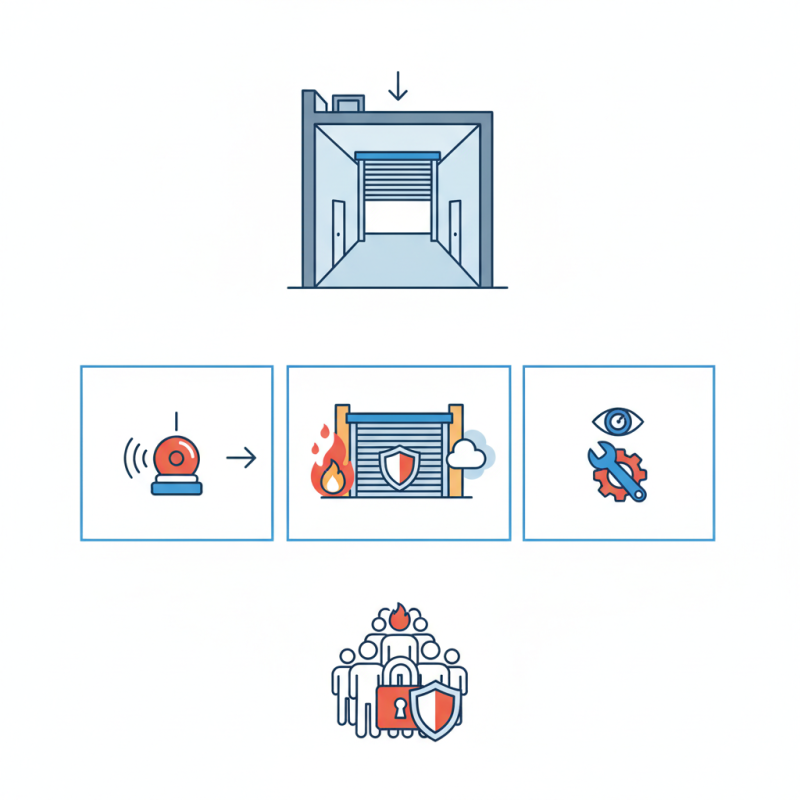
What is a Roll Down Fire Door? Definition and Overview
A roll down fire door is a type of fire-rated door designed to enhance safety. It typically rolls down from a mounted position to close off areas during a fire. This mechanism serves to compartmentalize a space, preventing the spread of smoke and flames. These doors can be made from various materials, often metal, for robust protection.
When a fire is detected, the roll down fire door activates automatically. It can also be operated manually. These doors are essential in commercial buildings like warehouses or factories. They protect crucial areas, such as storage rooms or open warehouses. However, some installations may fail to deploy due to maintenance neglect. This lack of upkeep can pose serious risks. Regular checks are vital.
In many buildings, the door's installation may not meet current safety codes. This leads to potential hazards in emergencies. Complicated mechanisms can add to this risk. Training for staff on proper operation is necessary. Yet, many employees remain unaware of these safety devices. This disconnect can hinder effective emergency responses. Overall, while roll down fire doors are lifesavers, they require consistent attention and education for maximum effectiveness.
Key Components of Roll Down Fire Doors and Their Functions
Roll down fire doors are crucial safety features in many commercial buildings. They protect against the spread of fire and smoke, providing safe escape routes. These doors can stop fire for up to 3 hours, according to the National Fire Protection Association (NFPA).
Key components of roll down fire doors include their door curtain, assembly, and activation system. The curtain is typically made from fire-resistant materials. It rolls down into a coil when activated. This mechanism helps ensure a tight seal, minimizing fire and smoke spread.
The assembly includes a track and guides, which allow smooth operation. A reliable activation system involves heat detectors and manual pull stations.
Reports indicate that 80% of fire-related injuries occur in structures without proper safety measures. It’s essential to regularly inspect these doors, as wear and tear can affect functionality. Some installations may not comply with safety standards. This oversight can lead to tragic outcomes during fire emergencies. Implementing regular maintenance checks is vital for optimal performance and safety.
How Roll Down Fire Doors Operate: Mechanisms and Technology
Roll down fire doors are impressive safety features commonly found in commercial buildings. They provide a barrier against smoke and flames. These doors automatically close during a fire, allowing time for evacuation and reducing damage. Their efficient operation is crucial in emergencies.
The mechanisms behind roll down fire doors are fascinating. They utilize a series of sensors and fire alarms. Once triggered, a motor engages, allowing the door to descend smoothly. The materials used are designed to withstand high temperatures. This technology ensures a reliable response when needed. However, maintenance is essential. Dust and debris can interfere with their operation. Regular checks are vital to ensure effectiveness.
In a well-functioning system, these doors are crucial. Yet, they can fail if not properly maintained. It's important to prioritize inspections. Ignoring small issues can lead to larger problems. A thoughtful approach to technology keeps buildings safer.
Fire Resistance Ratings and Standards for Roll Down Fire Doors
Roll down fire doors play a crucial role in fire safety. Their function is largely determined by their fire resistance ratings and standards. These ratings indicate the door's ability to withstand fire for a specific period. In many situations, they must meet stringent regulations.
According to the National Fire Protection Association (NFPA), fire doors should have fire ratings of at least 20 minutes. Some may achieve a rating of up to 3 hours. These ratings are tested under rigorous conditions. The materials used in the doors greatly affect their performance. Steel is commonly chosen for its durability and heat resistance. Many designs also incorporate intumescent seals that expand when exposed to heat, enhancing their effectiveness.
However, roll down fire doors are not without flaws. The installation process can be complex, leading to potential weaknesses. Even well-rated doors need regular maintenance. Forgotten inspections can compromise safety. As fire environments evolve, so too must the standards governing these doors. Updated testing methods and materials are critical. Reflecting on these factors can lead to better safety protocols.
What is a Roll Down Fire Door and How Does It Work? - Fire Resistance Ratings and Standards for Roll Down Fire Doors
| Feature | Description | Fire Resistance Rating | Applicable Standards |
| Material | Steel or Aluminum | 1 to 3 hours | NFPA 80, UL 10D |
| Operating Mechanism | Manual or Automatic | - | UL 325, ANSI/BHMA |
| Applications | Warehouses, Loading Docks, Retail Stores | - | ASTM E119 |
| Features | Smoke Containment, Thermal Insulation | - | NFPA 105 |
| Maintenance | Regular Inspections Required | - | NFPA 80 |
Applications and Benefits of Roll Down Fire Doors in Fire Safety Systems
Roll down fire doors are crucial for maintaining safety in commercial spaces. These doors provide a physical barrier against smoke and flames. They are designed to drop down automatically in case of a fire. According to the National Fire Protection Association, about 60% of fire-related deaths occur in non-residential buildings. This emphasizes the need for effective fire safety measures, such as roll down fire doors.
The applications of roll down fire doors are diverse. They are commonly used in shopping malls, warehouses, and industrial facilities. Their design allows them to fit into various architectural styles and configurations. A report from the Fire Protection Research Foundation indicates that these doors can withstand temperatures up to 1800°F for over 60 minutes. This feature offers critical time for evacuation and minimizes damage.
However, proper maintenance and regular inspections are often overlooked. Many buildings lack a comprehensive fire safety strategy. This can lead to failures in emergency situations. Fire doors must be tested periodically to ensure they function correctly. Investing in this aspect is vital for overall safety. Effective implementation of roll down fire doors can significantly enhance fire safety systems.


' d='M0 0h21v15H0z'/%3E%3Cpath fill='url(%23b)' d='M0 0h21v5H0z'/%3E%3Cpath fill='url(%23c)' d='M0 5h21v5H0z'/%3E%3Cpath fill='url(%23d)' d='M0 10h21v5H0z'/%3E%3C/g%3E%3C/svg%3E)