2026 Top Aerosol Can Filler Types for Global Buyers
Choosing an Aerosol Can Filler is a production decision, not just a machine purchase. The right system should suit the product, can dimensions, target output, and available floor space. A compact line may fit a growing operation, while a rotary system can support higher volumes. Both need careful evaluation.
Buyers should compare filling accuracy, changeover time, maintenance access, and technical support. Watch how operators reach valves, clean product-contact parts, and monitor each filling head. Small details matter. A difficult changeover can slow a line, even when the filler’s rated speed looks impressive. Ask suppliers for demonstrations using comparable containers and production conditions. Request clear information on performance limits, training, spare parts, and service response.
This guide compares common Aerosol Can Filler types for global buyers preparing for 2026. It explains where each design may fit, what trade-offs to examine, and which questions deserve a supplier’s answer. The best choice depends on verified requirements, not a headline capacity figure. Check the details.
A trustworthy article should not place invented words in an expert’s mouth. No source material or verifiable expert quotation was provided for this topic, so this introduction does not attribute a fabricated quote to a named specialist. Readers should confirm technical claims with qualified equipment manufacturers and independent packaging professionals.
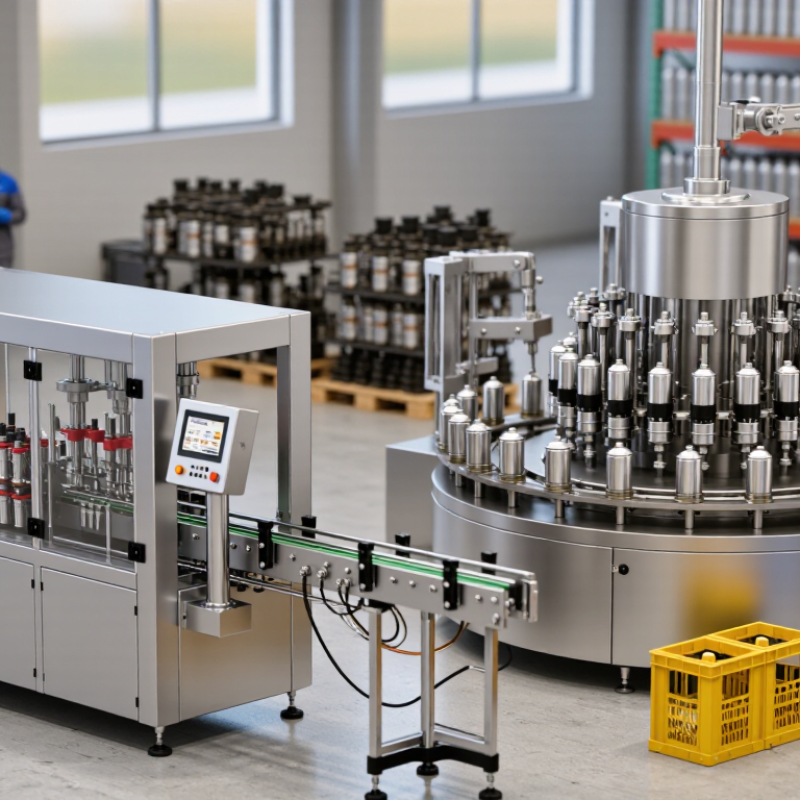
Aerosol Can Filling: Core Components and Process Basics
An aerosol filling line links several precise operations. Empty cans travel by conveyor to a product filler, where measured liquid enters each container. A valve is then placed and crimped onto the can’s opening. In many pressure-filling setups, propellant is added through that valve after crimping. The sequence can differ with the formulation and equipment. Small details matter. A crooked valve or inconsistent crimp may cause leaks, even when the fill volume looks correct.
Operators monitor fill weights, crimp dimensions, and line pressure throughout production. A validated leak test checks whether each sealed can holds pressure; checkweighers can flag units outside set limits. Guards and interlocks help protect people near moving parts and pressurized systems. Clean changeover practices also reduce residue when the line switches products. No single configuration suits every can size or output target. In practice, a neat process diagram can hide awkward changeovers and occasional stoppages, so trial runs and recorded checks are useful before routine production.
Main Types of Aerosol Can Fillers Available in 2026
Aerosol can fillers in 2026 generally fall into manual, semi-automatic, and fully automatic systems. Manual bench units suit small batches and frequent product changes. They need more operator attention. Slow, but useful. Semi-automatic machines handle steps such as liquid dosing or valve crimping, while an operator loads and checks each can. They can offer a practical middle ground for growing production.
Fully automatic inline or rotary fillers connect can feeding, product filling, valve placement, crimping, propellant charging, and inspection. The right configuration depends on container size, target output, formulation, and changeover frequency—not just the advertised speed. Filling methods also differ. Pressure filling introduces propellant after the valve is fitted; cold filling uses chilled materials and requires suitable temperature control. Each method needs equipment matched to the product and packaging.
A common planning blind spot is overlooking setup and cleaning time between batches. Ask suppliers for test results using your actual can dimensions and product, including fill-weight consistency and leak checks. Check how operators access guards and maintain the crimping head. A fast machine is not automatically the best fit. Even a well-specified line may need adjustment once real production begins.
How Filler Types Differ in Operation and Production Capacity
Aerosol can fillers differ in how much work they leave to operators. Manual units rely on hands-on positioning and control, making them suitable for trials or small batches. Output depends heavily on operator pace. Semi-automatic machines handle repeated filling or crimping steps, while staff load cans and monitor the cycle. This can improve consistency without requiring a fully integrated line. Watch the pauses. A single slow changeover may reduce a shift’s actual output.
Automatic inline fillers move cans through stations in sequence; rotary systems carry several cans around a rotating table for filling and related operations. Both can support higher-volume production, but rated speed alone does not tell the whole story. Can diameter, valve format, product viscosity, changeovers, and stoppages all affect usable capacity. A quoted speed can look reassuring, yet hide these losses. Buyers should compare output under their own container and product conditions, and ask how the figure was measured. A factory acceptance test can help, though it may not reproduce every detail of daily production. The right choice is not always the fastest machine. It is the system operators can run steadily, clean, and maintain.
| Filler Type | How It Operates | Typical Production Capacity | Best Suited For | Key Considerations |
|---|---|---|---|---|
| Manual or Bench-Top Filler | An operator positions each can and starts the filling cycle. Product filling, valve crimping, and propellant charging may be handled at separate stations or with compact equipment. | Approximately 100–600 cans per hour, depending on the product, can size, operator workflow, and number of stations. | Laboratory work, product trials, pilot runs, and very small production batches. | Low initial equipment cost and flexible changeovers; labor-intensive and generally unsuitable for high-volume production. Confirm that the setup includes compatible crimping and propellant-charging equipment. |
| Semi-Automatic Indexing Filler | Cans are loaded and transferred by an operator or simple conveyor. The machine automates selected steps, such as liquid dosing, valve placement, crimping, or propellant filling. | Approximately 300–1,500 cans per hour, with output affected by the number of filling heads and manual handling time. | Small and medium batches, contract packers, and manufacturers moving beyond bench-top production. | Offers a balance between investment and output. Operators may remain a production bottleneck, and separate or optional stations may be needed to complete the full filling process. |
| Automatic Linear Filler | A conveyor moves cans through synchronized stations for product filling, valve placement, crimping, and propellant charging. The line typically indexes cans from station to station. | Approximately 1,500–6,000 cans per hour, depending on line configuration, filling heads, product properties, and container format. | Regular medium-to-high-volume production with repeatable products and established packaging specifications. | Provides consistent, coordinated production and can be configured with inspection and coding equipment. Floor space, changeover design, and integration between stations should be assessed. |
| Automatic Rotary Filler | Cans travel around a rotating turret or series of rotary stations. Multiple heads perform operations in parallel, allowing a continuous or near-continuous production flow. | Approximately 6,000–18,000 cans per hour; higher-output configurations may be available, subject to the product and complete line design. | High-volume manufacturing with sustained demand and a relatively stable range of can and valve formats. | High throughput depends on coordinated feeding, filling, crimping, and gassing. Tooling and changeovers can be more involved than on lower-speed equipment. |
| Cold-Fill System | Product and liquefied propellant are chilled before filling. The cooled mixture is dispensed into the can, which is then sealed under controlled conditions. | Capacity varies widely by equipment layout; compact systems may serve lower-volume production, while automated lines can operate at several thousand cans per hour. | Products and propellants compatible with low-temperature processing, subject to formulation and process validation. | Requires refrigeration and careful temperature control. Product compatibility, moisture management, workplace safety, and local requirements for flammable or pressurized materials are important. |
| Pressure-Fill System | Product is filled into the can, the valve is placed and crimped, and propellant is charged through the valve under pressure. | Capacity depends on the number of filling and gassing heads; integrated automated lines commonly range from a few thousand to over 10,000 cans per hour. | A broad range of conventional aerosol products, where the formulation and packaging are suitable for pressure filling. | Enables propellant charging after the valve is sealed. Accurate crimping, pressure control, leak testing, and compatible valve-and-can specifications are essential. |
| Bag-on-Valve (BOV) Filler | Product is filled into a flexible bag attached to the valve assembly. Compressed gas is charged into the space between the bag and the can, keeping the product separate from the propellant. | Capacity depends strongly on bag placement and valve handling; automated systems are commonly designed for hundreds to several thousand cans per hour. | Products requiring separation from the propellant, including selected personal-care, pharmaceutical, food, and specialty formulations. | Requires BOV-compatible cans, valves, and filling equipment. Bag handling and placement can affect line speed, and product-specific testing is necessary. |
Capacity note: Figures are indicative planning ranges, not guaranteed machine ratings. Actual output depends on can diameter and height, fill volume, formulation viscosity, valve and propellant type, number of operating heads, changeover frequency, inspection requirements, and the performance of the complete line. Confirm rated and validated output with the equipment supplier for the intended product and market.
How Global Buyers Can Match Fillers to Product and Factory Needs
2026 Top Aerosol Can Filler Types for Global Buyers
How Global Buyers Can Match Fillers to Product and Factory Needs
Rotary fillers can suit factories handling high, steady output. Inline systems offer more flexibility when production runs change often. For smaller volumes, a semi-automatic filler may reduce upfront investment, though it usually needs more operator time. Match the machine to the product, too. Viscosity, foaming behavior, valve design, and container size can all affect filling consistency. A fast line is not automatically the right line.
Tips: Ask suppliers to run samples using your actual containers and product. Check fill-weight variation, changeover time, cleaning access, and spare-part availability. Request a written test record. Small trials help.
Factory conditions matter as much as the filler type. Confirm available floor space, utilities, line speed, and operator skills before comparing quotations. Pressure-filling and cold-filling setups have different process requirements, so verify compatibility with the formulation and packaging supplier. Also review how easily the machine handles planned product changes. A detailed specification helps, but it may still miss a stubborn foaming issue or awkward changeover. That is worth reflecting on before purchase. Choose a system your team can operate, maintain, and validate consistently, not just one with an impressive rated output.
2026 Top Aerosol Can Filler Types for Global Buyers
How global buyers can match filling systems to product and factory needs
This comparison shows typical process characteristics: conventional pressure filling charges propellant through the valve; cold filling uses chilled product and propellant; and Bag-on-Valve (BOV) systems keep the product separate from the propellant inside a bag. A value of 1 means “Yes” and 0 means “No.” Actual equipment requirements depend on the formulation, package, and line configuration.
Safety, Compliance, and Automation Factors in Filler Selection
2026 Top Aerosol Can Filler Types for Global Buyers
Safety, Compliance, and Automation Factors in Filler Selection
Choosing an aerosol can filler starts with the product, but safety controls deserve equal attention. A qualified equipment supplier should explain how the machine handles pressure, rejects faulty cans, and contains spills. Look for guarded moving parts, accessible emergency stops, and interlocks that prevent operation when covers are open.
Ask to see how leak testing is performed and recorded. Details matter. A small, consistent fill error can become costly across a long production run.
Compliance requirements differ between markets and product categories, so buyers should confirm applicable standards with local specialists. Request equipment documentation, material specifications, and clear instructions for cleaning and maintenance.
Automation can improve repeatability through controlled filling, automatic rejection, and batch data logging. Yet more automation also means more sensors and settings to maintain. Check that operators can understand alarms and safely clear routine stoppages.
The best system is not always the fastest one. A polished sales sheet cannot replace a witnessed test using representative cans and product. Even then, the test may not capture every production condition, so leave room for review after installation.