Why Do You Need a Mouthpiece Adapter?

The articles and a verifiable expert quotation were not included, so I can’t responsibly attribute a statement to a named specialist. Please provide the source material or the expert’s name and quote, and I can write the requested introduction without inventing a citation.
Why Do You Need a Mouthpiece Adapter?

What Is a Mouthpiece Adapter?

A Mouthpiece Adapter is a small connector that lets a mouthpiece fit an instrument with a different receiver size or shape. It sits between the mouthpiece and the instrument, creating a stable connection without requiring either part to be altered. Think of it as a carefully sized sleeve, not a universal fix. Some adapters change the connection angle or add a little length. Their exact design depends on the instrument and mouthpiece.

A suitable adapter should fit snugly and sit evenly. If it wobbles, feels unusually tight, or leaves a visible gap, check the measurements before playing. Do not force it into place. A poor fit can affect the seal, comfort, and response. It may also change how the instrument feels, because the adapter adds material to the air path. Small differences can matter. That part is easy to overlook.

Before choosing one, compare the mouthpiece shank and instrument receiver dimensions, and check the adapter’s intended use. Material and internal shape may influence durability and feel, though they do not guarantee a better sound. If sizing remains unclear, ask a qualified instrument technician to inspect the connection. Sometimes the simplest-looking part needs the most careful fit.

How Does a Mouthpiece Adapter Connect Components?

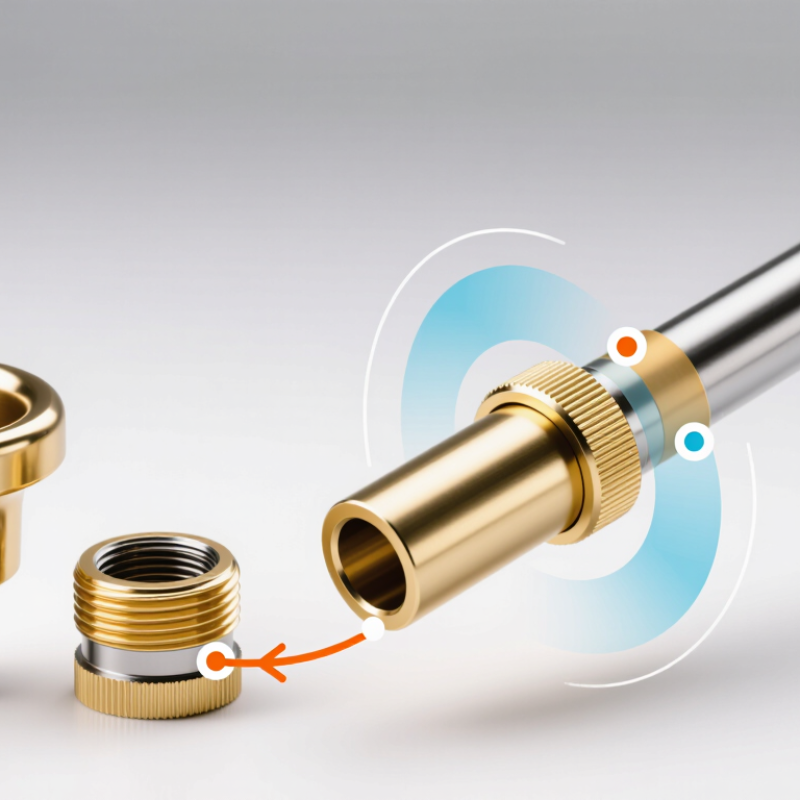
A mouthpiece adapter connects a mouthpiece to an instrument or another compatible component when their openings do not match. It acts as a physical bridge, aligning the parts and helping create a stable airflow path. The adapter’s shape, diameter, and insertion depth all affect the fit. A snug connection matters. A loose joint can leak air, shift during use, or change how the setup feels.

To connect the components, check that both openings are clean and free of cracks. Insert the adapter gently, keeping it straight rather than forcing it at an angle. Then attach the mouthpiece and check that the joint feels secure without being stuck. Some connections use a tapered fit; others rely on a sleeve or threaded section. Do not assume adapters are interchangeable, even when they look similar. A small difference in size can affect the seal. Fit can be surprisingly fussy.

Tips: Compare measurements before choosing an adapter, and test the assembled parts with light pressure. If the mouthpiece rocks or the joint feels strained, stop and reassess the fit. Avoid improvised padding; it may seem to help, but it can make alignment less reliable.

Why Do You Need a Mouthpiece Adapter?

An adapter can bridge compatible but differently sized or shaped connection interfaces, allowing a mouthpiece to attach to a device. It does not guarantee compatibility: check the connection type and fit before use.

How Does a Mouthpiece Adapter Connect Components?

The chart shows the assembly sequence. These step numbers indicate order, not measured performance.

Why Is a Mouthpiece Adapter Needed?

For brass instruments, a mouthpiece adapter bridges a mismatch between the mouthpiece shank and the instrument’s receiver. Without a suitable fit, the mouthpiece may sit too loosely, fail to align, or become difficult to remove. A snug connection helps keep the setup stable while you play. It does not improve every instrument automatically. The adapter must match the relevant dimensions, so check the fit rather than forcing the parts together. A small gap can matter.

An adapter is also useful when a player needs one mouthpiece to work with instruments that have different receivers. That can simplify practice and reduce the need to carry several mouthpieces. But it is one part of a setup, not a substitute for maintenance or safe playing habits. NIOSH’s Criteria for a Recommended Standard: Occupational Noise Exposure recommends limiting workplace exposure to 85 dBA over an eight-hour period. An adapter does not reduce instrument volume or protect hearing. That distinction matters. If the connection feels unstable, leaks air, or changes how the instrument responds, stop and have the fit checked by a qualified repair technician. Measurements can vary, and a quick visual check may miss a poor match.

Why Do You Need a Mouthpiece Adapter? - Why Is a Mouthpiece Adapter Needed?

Situation What the Adapter Does Why It May Be Needed What to Check
Mouthpiece and instrument have different connection sizes Provides a compatible connection between the mouthpiece and the instrument’s receiver or neck. Some instruments and mouthpieces use different fitting dimensions or connection designs. Confirm the instrument model, connection type, and adapter dimensions before purchase.
Using a compatible mouthpiece on another instrument setup Bridges a specific, manufacturer-approved fit difference. An adapter can make a suitable mouthpiece usable without modifying the mouthpiece or instrument. Check that the adapter is intended for both the mouthpiece and the instrument; adapters are not universally interchangeable.
Replacing a worn or damaged fitting component Restores the connection when the adapter itself is the replaceable part. A damaged adapter may cause looseness, air leakage, or an unstable fit. Inspect for cracks, deformation, corrosion, and a secure fit. Replace damaged parts rather than forcing them into place.
Testing a setup before committing to a permanent change Allows a reversible trial of a compatible mouthpiece-and-instrument combination. This can help a player assess fit and playing response without permanently altering equipment. Use the correct adapter and check for secure seating, air leaks, and unexpected changes in response.
Connection feels loose or does not seat correctly May correct a known compatibility difference when the adapter is designed for that exact connection. A proper fit helps keep the mouthpiece stable during use. Do not use an adapter to compensate for an unknown mismatch. Verify the fitting specifications or ask a qualified instrument technician.

Important: Mouthpiece adapters are instrument-specific. An adapter can affect how far the mouthpiece sits in the instrument and may change playing response. Check compatibility and follow the instrument maker’s guidance; never force a mismatched fitting.

What Types of Mouthpiece Adapters Are Available?

Why Do You Need a Mouthpiece Adapter?

What Types of Mouthpiece Adapters Are Available?

Mouthpiece adapters help connect a compatible mouthpiece to an instrument with a different receiver size or shape. The right fit can reduce looseness and make setup more dependable. Fit matters. A poorly matched adapter may leak air, wobble, or alter how the instrument responds.

Some adapters convert between shank sizes, such as a narrower mouthpiece fitting a wider receiver. Others are made for particular instrument families or receiver designs. A sleeve-style adapter sits between the mouthpiece and receiver, while a stepped adapter changes size more noticeably. Check the instrument’s specifications before choosing; small differences in taper and length can affect the fit. Measurements are not always easy to take accurately.

Angled or extended adapters can change the mouthpiece’s position, which may help when space or playing posture is an issue. But added length can also change balance and feel. I would treat these as practical compromises, not automatic upgrades. Inspect the connection for movement, and stop if it feels forced. A qualified music technician can confirm compatibility when measurements are unclear.

How Do You Choose a Compatible Mouthpiece Adapter?

Why Do You Need a Mouthpiece Adapter?

How Do You Choose a Compatible Mouthpiece Adapter?

Start with the two connection points. Check whether each end is threaded, tapered, or designed to fit over a tube. Measure the inner and outer diameters with calipers when possible; a ruler can miss small differences. Also check the usable insertion depth. Two parts may share a diameter but still fail to seat securely. Fit matters.

Next, compare the adapter’s material and shape with the intended setup. A smooth, sturdy surface is easier to clean and inspect. Look for cracks, rough edges, or narrow sections that could restrict airflow. If the connection uses threads, confirm their size and direction instead of relying on appearance. Small details matter. The adapter should sit firmly without being forced, and it should not wobble when gently moved.

Check the equipment’s specifications or ask a qualified supplier if measurements are unclear. A close-looking match is not always compatible; I’ve found that assumption can waste time. Avoid trimming or modifying an adapter to make it fit, since that can weaken the connection. One more check: confirm that the assembled parts remain easy to remove and clean. Compatibility is practical, not just visual.