Top 10 Small Ball Bearing Suppliers Worldwide?

Small ball bearings sit inside devices that rarely attract attention: a printer carriage, a dental handpiece, or a compact electric motor. Their small size does not make supplier selection simple. A fraction of a millimeter can affect noise, friction, heat, and service life. For buyers, the right choice depends on more than price. Material, precision class, lubrication, sealing, production consistency, and delivery capacity all matter.

Market reports offer useful context, but not a ready-made supplier ranking. Grand View Research’s Bearings Market analysis estimated the broader global bearing market at about USD 126.4 billion in 2023, with projected growth through 2030. That figure covers multiple bearing types, not small ball bearings alone. A neat ranking can still mislead. This guide compares ten worldwide suppliers through practical considerations, including product range, technical documentation, customization, and support. ISO 281 also provides a recognized framework for calculating bearing life, although real operating conditions can change results. Fit matters. A catalog specification may look precise, yet installation, contamination, and lubrication can undermine performance. The suppliers discussed here should therefore be assessed against the application, not just their brand names. Some details also vary by region and product line, so buyers should confirm current specifications directly with manufacturers.
Top 10 Small Ball Bearing Suppliers Worldwide?

What Small Ball Bearings Are and Where They Are Used

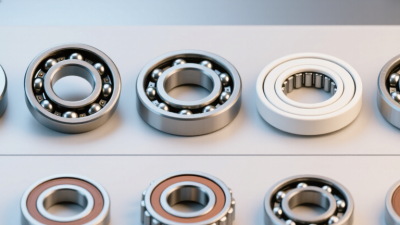
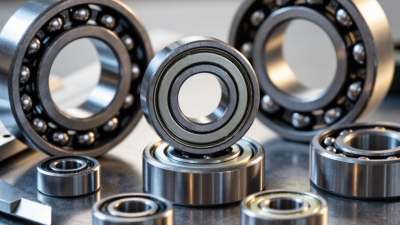
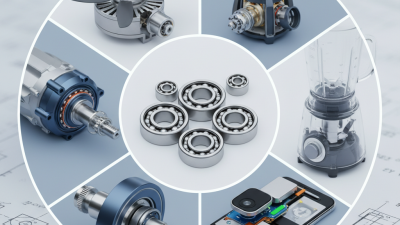
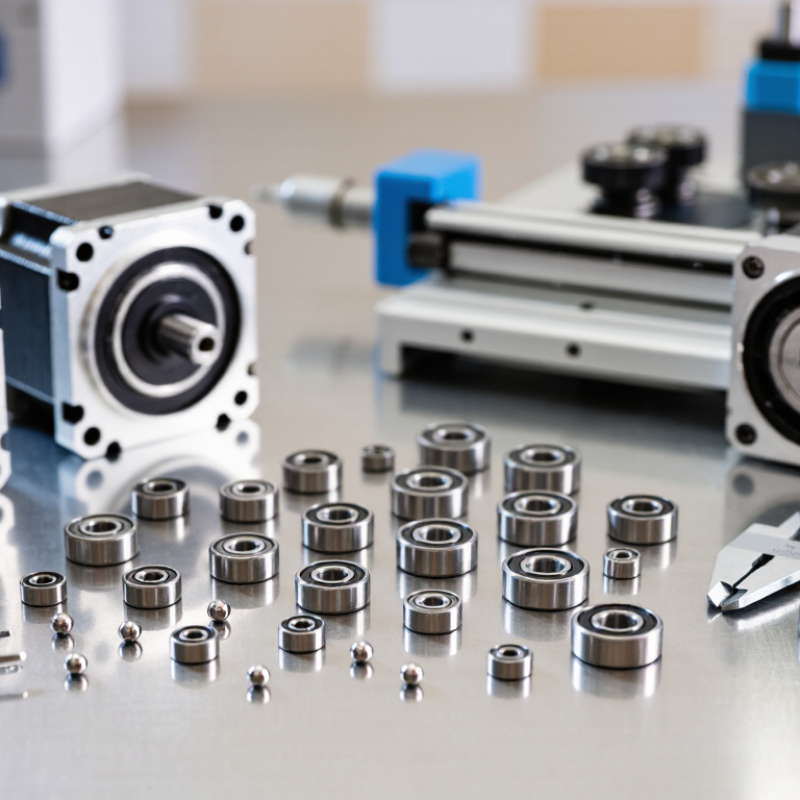
Small ball bearings support rotating parts where space is limited and smooth movement matters. A typical unit has inner and outer rings, hardened balls, and a cage that keeps the balls spaced apart. Deep-groove designs are common because they handle radial loads and some axial force. Small parts. Tight spaces. Often overlooked. Shields or seals can help keep dust and lubricant in place, while the right choice depends on speed, temperature, load, and surrounding conditions.

You can find these bearings in miniature electric motors, cooling fans, hand tools, camera mechanisms, small pumps, and precision instruments. In a desk fan, for example, they help the shaft turn steadily with less friction and noise. Some medical and laboratory equipment also uses compact bearings, where consistent motion is important. Material, lubrication, and internal clearance affect performance; a bearing that suits a clean motor may struggle in a dusty workshop. The awkward part is that catalog dimensions can look like a perfect match, yet poor alignment or excessive load can still shorten service life. Fit and operating conditions deserve a closer look.

Small Ball Bearings: Common Sizes and Applications

Compare the bore and outside diameters of six widely used miniature and small deep-groove ball bearings. Dimensions are in millimeters and reflect common standard sizes. These bearings are often found in compact motors, appliances, tools, and wheels; the 608 size is commonly used in skate wheels.

How to Assess Small Ball Bearing Suppliers Worldwide

Assessing small ball bearing suppliers worldwide starts with the application, not the catalog. Define bore, outside diameter, width, load, speed, temperature, and exposure to dust or moisture. A bearing for a quiet instrument may need different clearance and lubrication from one in a fast-running pump. Be specific.

Ask suppliers for dimensional tolerances, material details, lubrication options, and inspection records. Check whether certificates identify the actual batch, not just a general product range. Then compare sample parts using calibrated measuring tools, and test them under realistic loads and operating speeds. A smooth hand spin is useful, but it cannot confirm service life. It is easy to overvalue.

Review production consistency as well as technical fit. Ask how incoming materials, heat treatment, and final inspection are controlled, and how defects are handled. Confirm lead times, minimum order quantities, packaging, and the supplier’s ability to maintain specifications across repeat orders. Request clear answers in writing. Vague replies matter. A polished catalog can conceal gaps in process control, while a smaller operation may offer careful engineering support. Neither size nor price proves reliability; evidence from samples, records, and communication deserves more weight.

Top 10 Small Ball Bearing Suppliers Worldwide? - How to Assess Small Ball Bearing Suppliers Worldwide
No. Assessment dimension What to evaluate Evidence to request Suggested weight
1 Dimensional capability Ability to supply the required bore, outside diameter, width, and tolerances for the specified bearing series. Dimension drawings, inspection reports, and tolerance specifications. ISO 492 covers tolerances for radial rolling bearings. 15%
2 Quality management Documented quality controls, corrective-action processes, and consistency between production batches. Current quality-management certificates and audit records. ISO 9001 is a general quality-management-system standard; automotive programs may require IATF 16949. 15%
3 Material and heat-treatment control Control of bearing steel or specified alternative materials, heat treatment, hardness, and batch traceability. Material certificates, heat-treatment records, hardness results, and lot-traceability examples. 12%
4 Precision and internal clearance Available precision classes and radial internal-clearance options should match the application and operating conditions. Product tolerances, clearance specifications, and measurement methods. ISO 5753-1 specifies radial internal-clearance values for radial bearings. 12%
5 Load, speed, and service-life data Published load ratings and speed limits, with operating assumptions suitable for the intended duty cycle. Technical data sheets and a documented rating-life calculation. ISO 281 provides methods for calculating dynamic load ratings and rating life. 10%
6 Lubrication and sealing options Availability of suitable grease or oil, shields or seals, and clear operating-temperature guidance. Lubricant specifications, fill guidance where applicable, seal configuration drawings, and temperature limits. 10%
7 Noise and vibration testing Testing capability and acceptance criteria appropriate to noise-sensitive or high-speed applications. Test methods, equipment calibration records, sample results, and written acceptance limits. 8%
8 Production capacity and lead time Ability to meet forecast volumes, order-size requirements, replenishment schedules, and agreed delivery dates. Capacity information, quoted lead times, minimum order quantities, and delivery-performance records. 7%
9 Compliance and environmental requirements Ability to provide documentation required by the destination market and the buyer’s industry or restricted-substance policy. Applicable declarations and certificates. Requirements such as RoHS or REACH depend on product, materials, market, and use. 6%
10 Commercial support and risk management Responsiveness, engineering support, warranty terms, change notification, and continuity planning. Written warranty and change-control terms, escalation contacts, and business-continuity or contingency plans. 5%
Total suggested weighting 100%
Note: This is a supplier-assessment framework, not a verified ranking or a claim about specific suppliers. The suggested weights are a buyer-side starting point and should be adjusted to the application. Score each candidate against the same requirements and verify documents and samples before approval.

Ten Notable Suppliers and Their Product Specialties

A miniature-bearing supplier focuses on compact radial bearings for small motors, dental tools, and precision assemblies. A stainless-steel specialist serves equipment exposed to moisture, cleaning fluids, or outdoor conditions. A ceramic-hybrid supplier combines ceramic rolling elements with steel races, often targeting high-speed, low-friction applications. An instrument-bearing maker prioritizes tight tolerances and smooth rotation in gauges and measurement devices. A high-speed supplier designs for steady operation in spindles and small electric motors. Fit matters.

A thin-section supplier offers space-saving bearings where housing diameter is limited. A custom-size specialist adjusts bore, outside diameter, seals, or lubrication to match unusual layouts. A low-noise producer targets fans, office equipment, and other sound-sensitive products. A load-focused supplier serves compact gearboxes and mechanisms with greater radial demands. A high-volume manufacturer emphasizes consistent dimensions and dependable batch supply. These are useful specialties, not guarantees of performance. I would compare material certificates, measured tolerances, seal design, and test conditions before choosing. A quiet sample may still behave differently after installation, and that detail is easy to miss.

Comparing Supplier Quality, Capacity, and Customization

Comparing small ball bearing suppliers starts with measurable quality, not polished sales sheets. Ask for dimensional inspection data, material specifications, and batch traceability. For miniature bearings, tiny differences in bore size or radial play can affect noise and fit. Request sample results for vibration and running torque, where relevant to the application. A sample that turns smoothly by hand is useful, but it cannot replace documented testing. That matters.

Capacity deserves a separate check. Ask how monthly output changes during peak demand, and whether production is kept in-house or divided among subcontractors. Typical lead times and minimum order quantities often reveal more than a headline capacity figure. Customization may involve seals, lubrication, cage materials, or nonstandard dimensions. Clarify which changes require new tooling, because setup costs and delivery dates can shift quickly. Not always. A supplier may offer flexibility but lack stable repeatability across batches. Compare the same drawing, test criteria, and forecast with each candidate. One uncomfortable detail: buyers sometimes prioritize a low unit price, then discover that inspection records or communication are inconsistent. A short pilot order can expose that gap before volume commitments grow.

Choosing a Supplier for Your Application and Market

Choosing a small ball bearing supplier starts with the application, not a catalogue ranking. Shaft size, radial load, speed, vibration, and operating temperature all affect the right choice. A bearing in a quiet hand tool faces different demands from one inside a fast-running pump. Small details matter. Share the real duty cycle, including start-stop frequency and exposure to dust or moisture. If those conditions are unclear, ask for help narrowing the specification before comparing prices.

Request dimensional tolerances, material details, lubrication options, and inspection records. Ask how samples are checked and whether production batches are traceable. A polished datasheet is useful, but it cannot show how consistently a supplier controls manufacturing. Where possible, test samples in the actual assembly. Measure noise, temperature, and fit after operation. Not always convenient, but often revealing. It is easy to overvalue a low unit price and overlook rework, delays, or premature wear.

Market fit matters too. Confirm minimum order quantities, lead times, packaging, and the supplier’s ability to support your sales region. A local stock point may help with urgent replacements; a direct shipment may suit planned production. Check communication quality with a specific technical question. Clear answers build confidence, while vague promises deserve a second look. No supplier is perfect, and the best choice may involve a trade-off between cost, availability, and documented quality.